

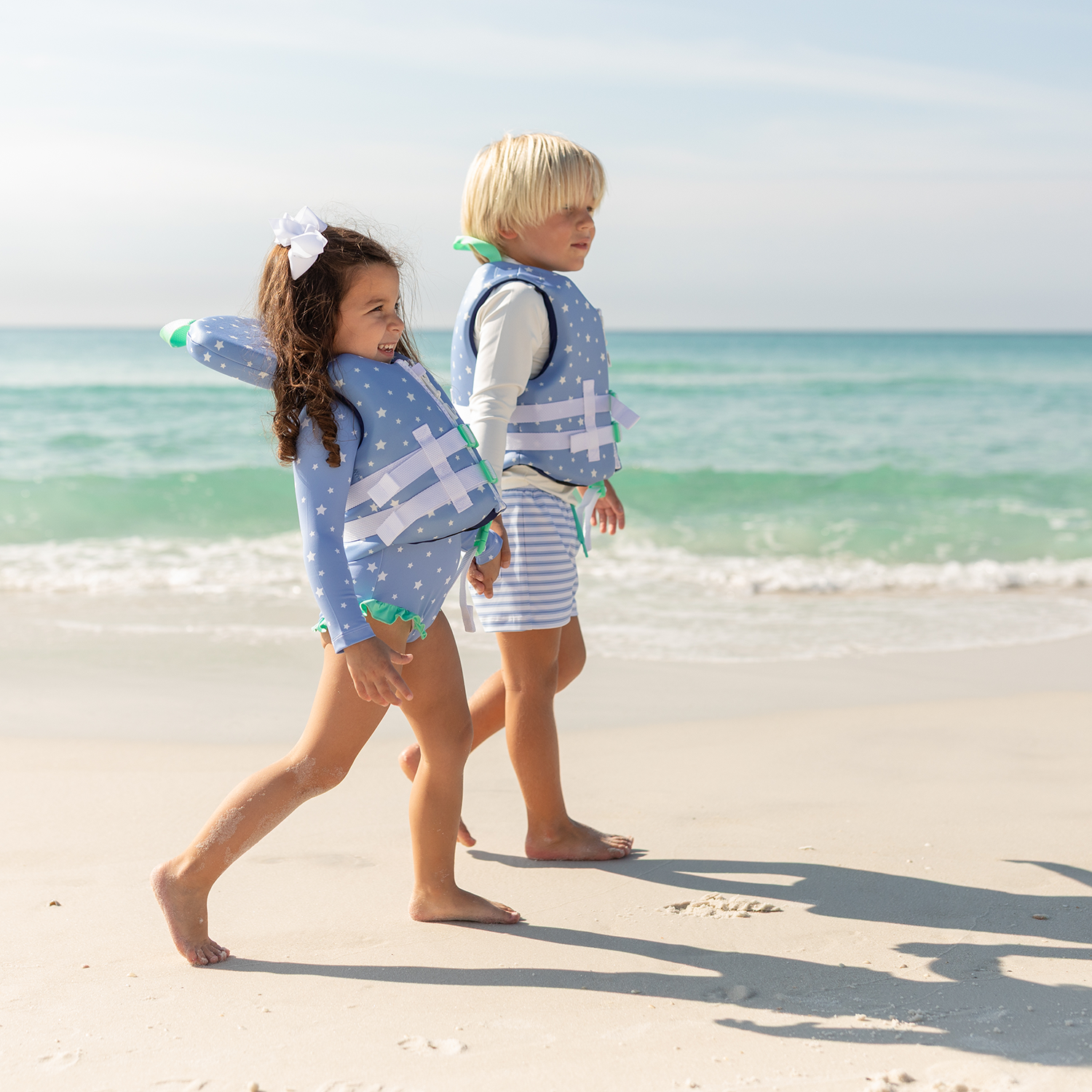

USCG Life Jackets for Kids
Filters
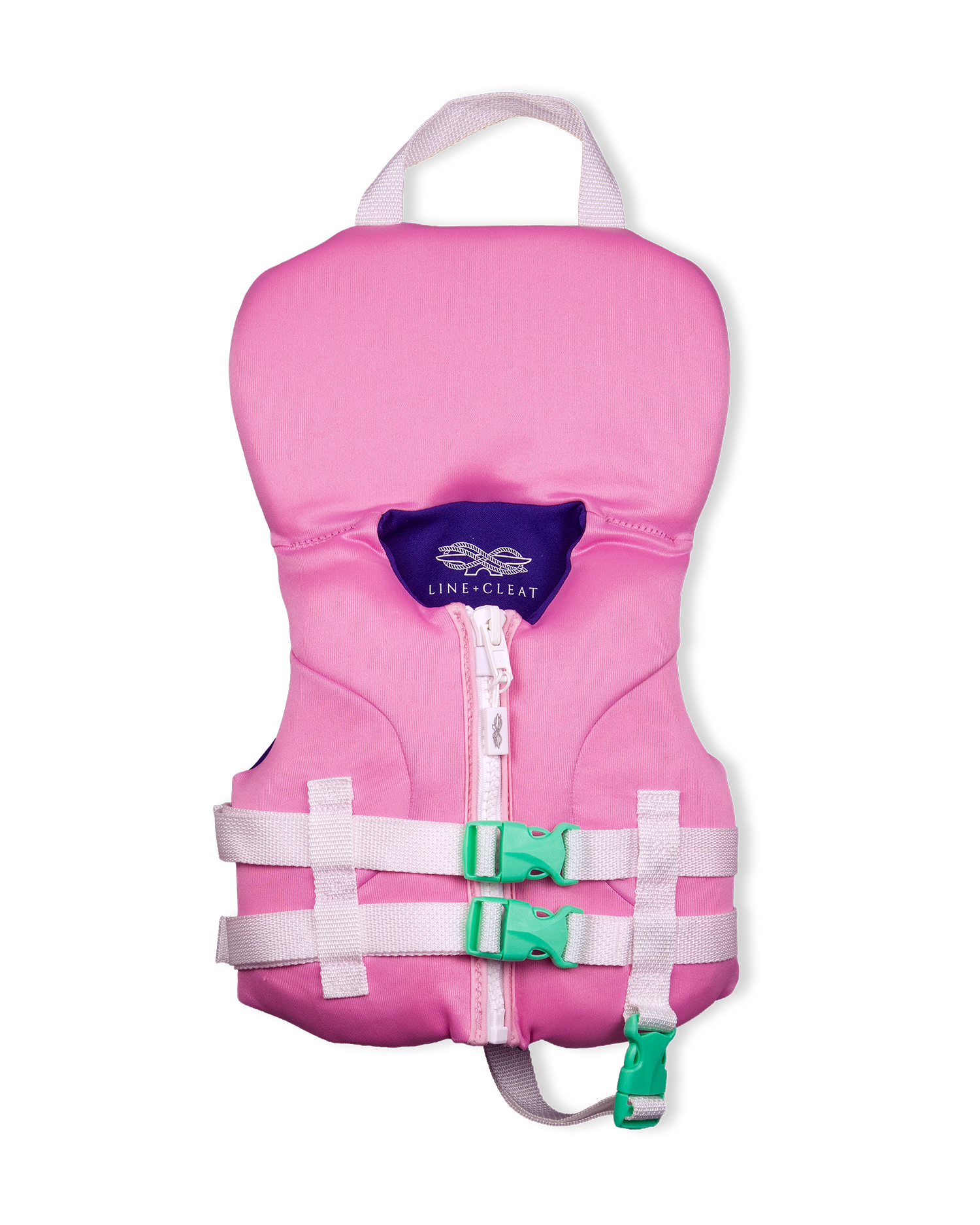
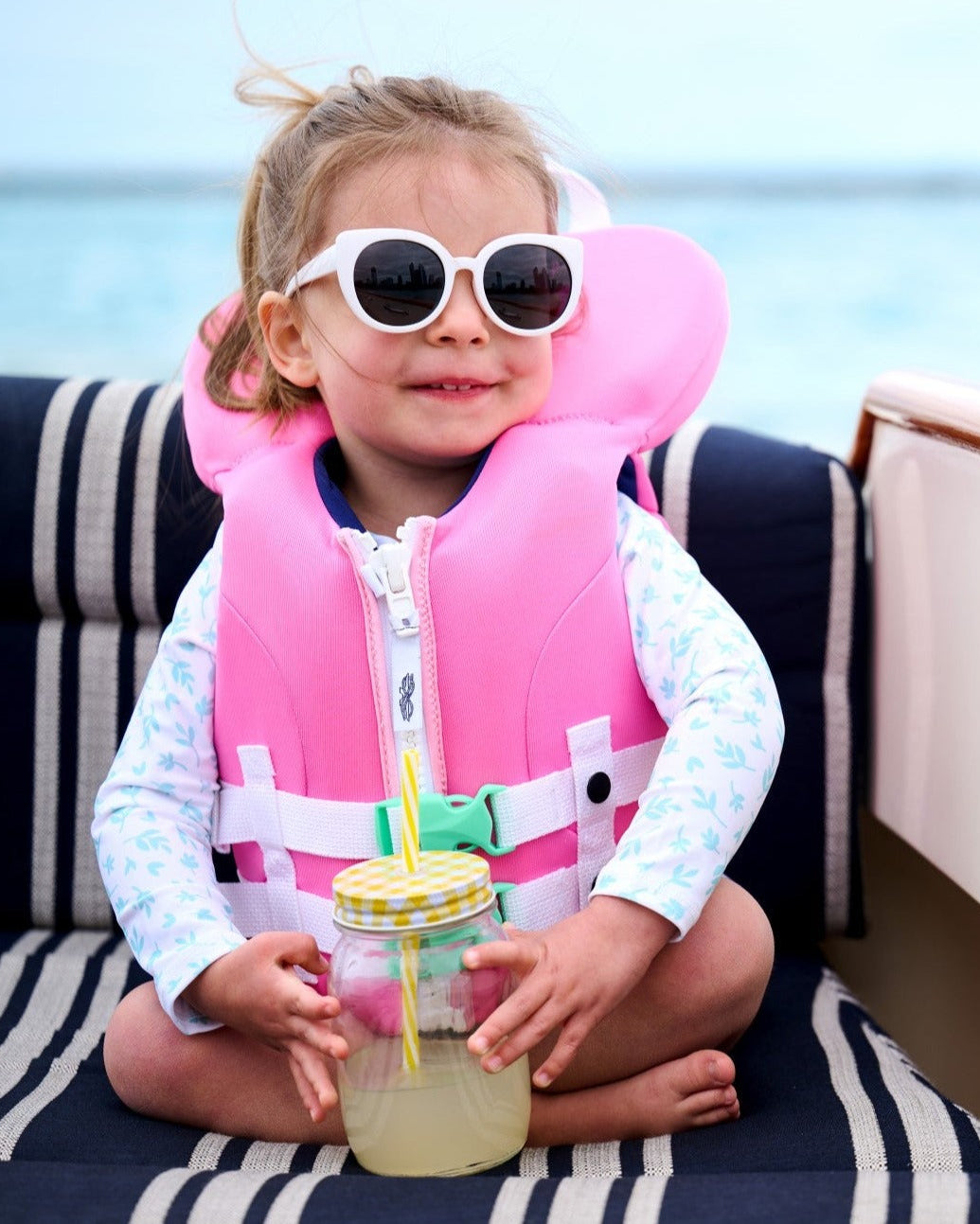
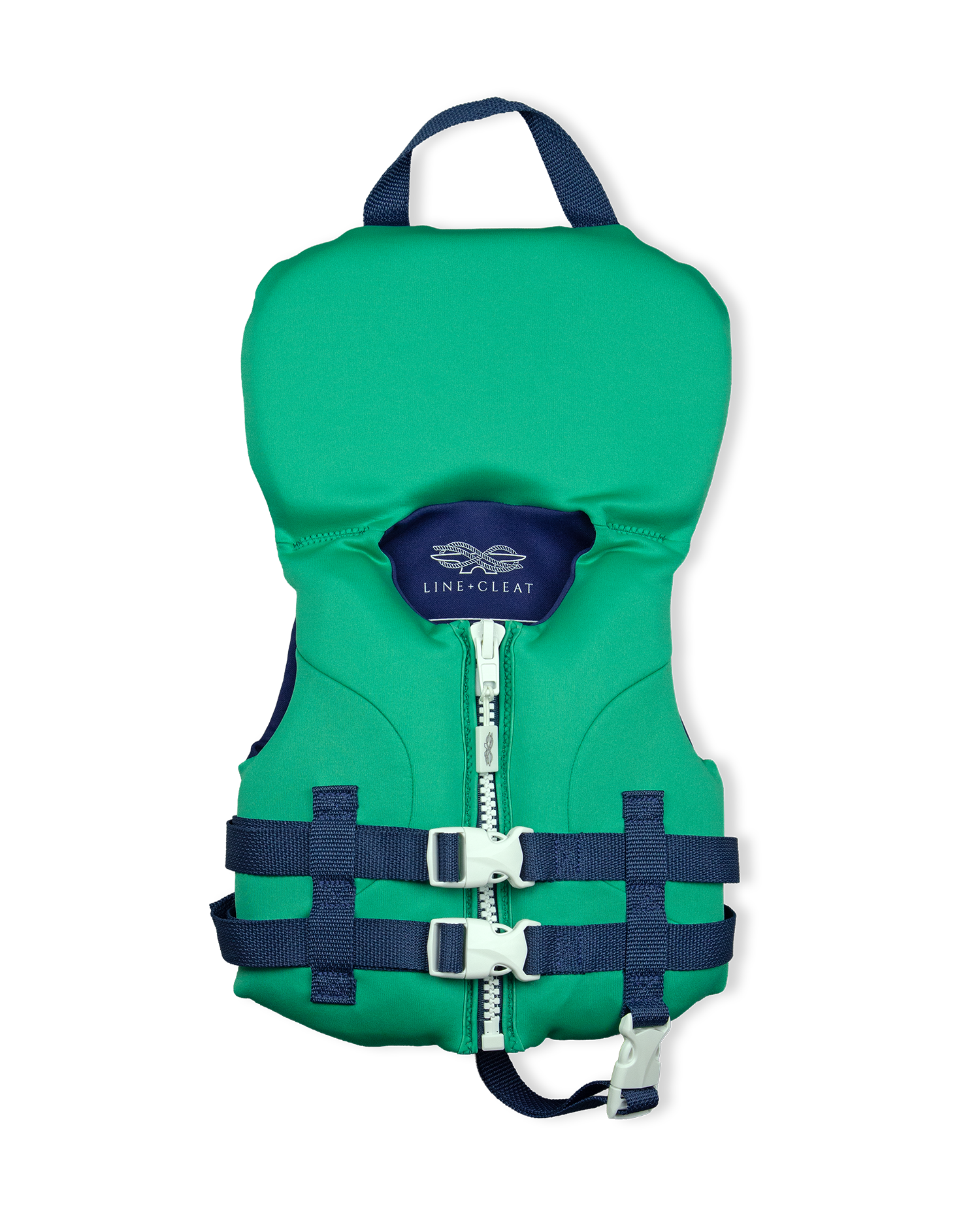
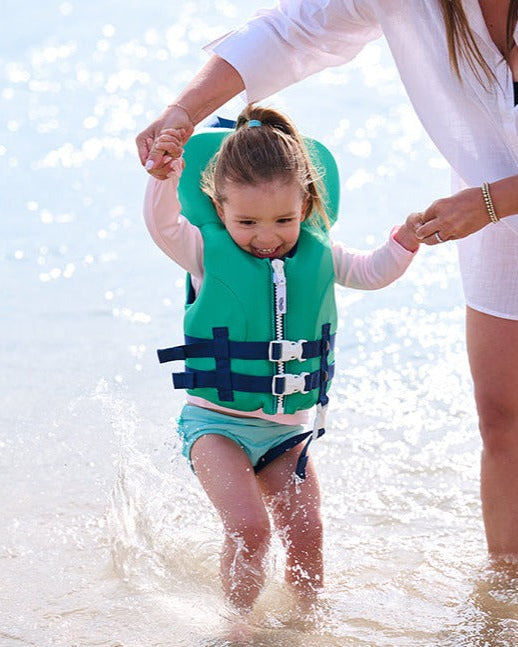
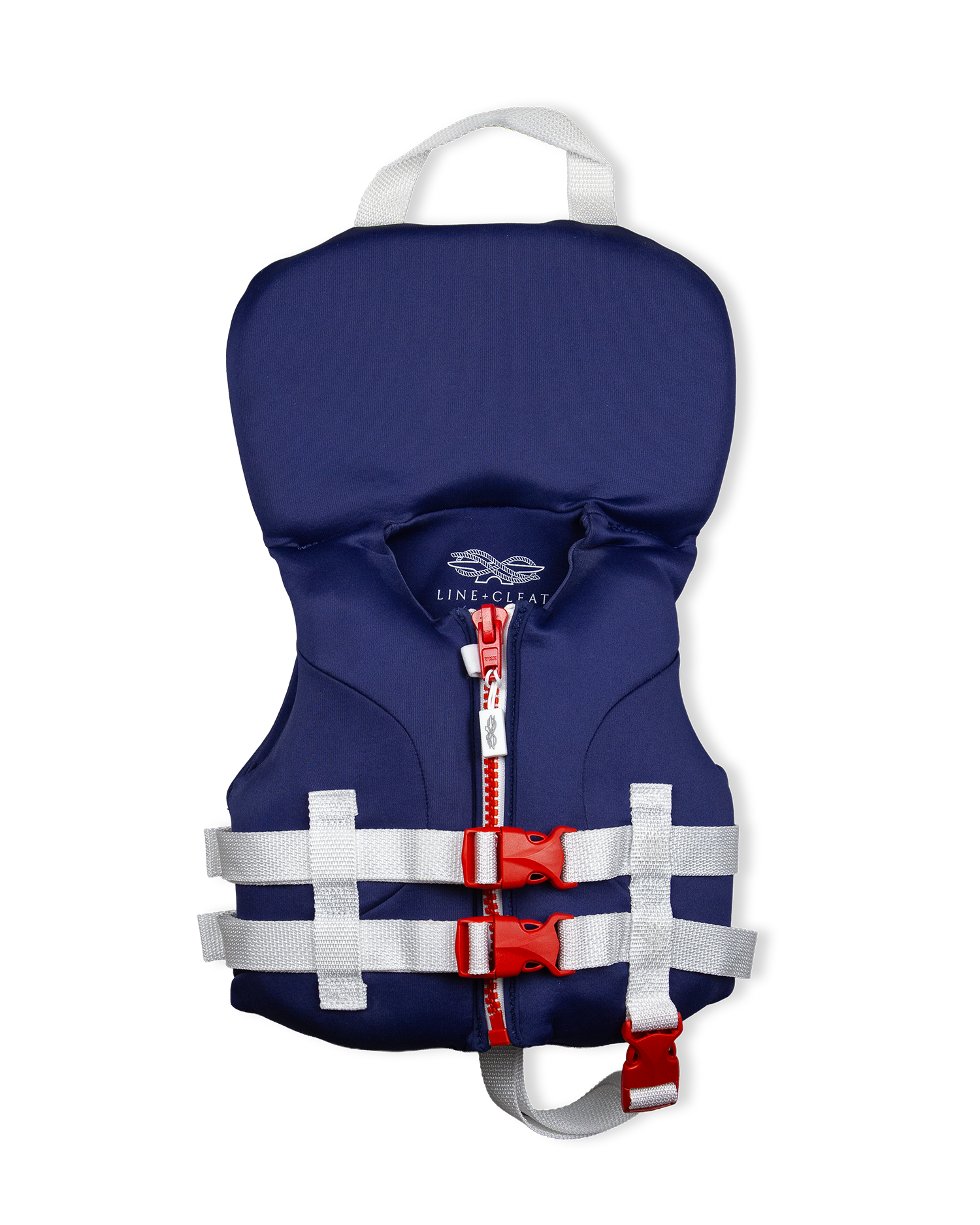
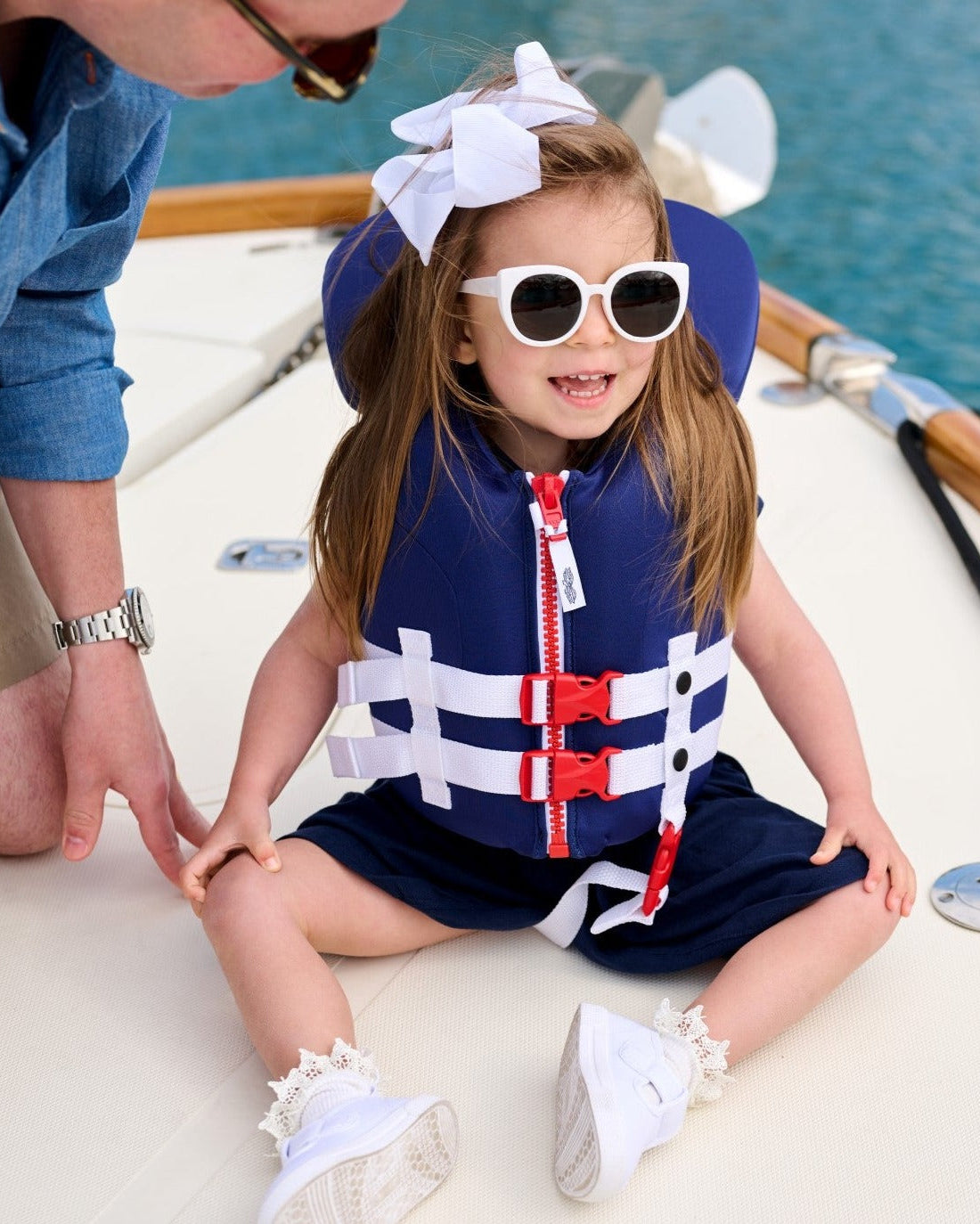


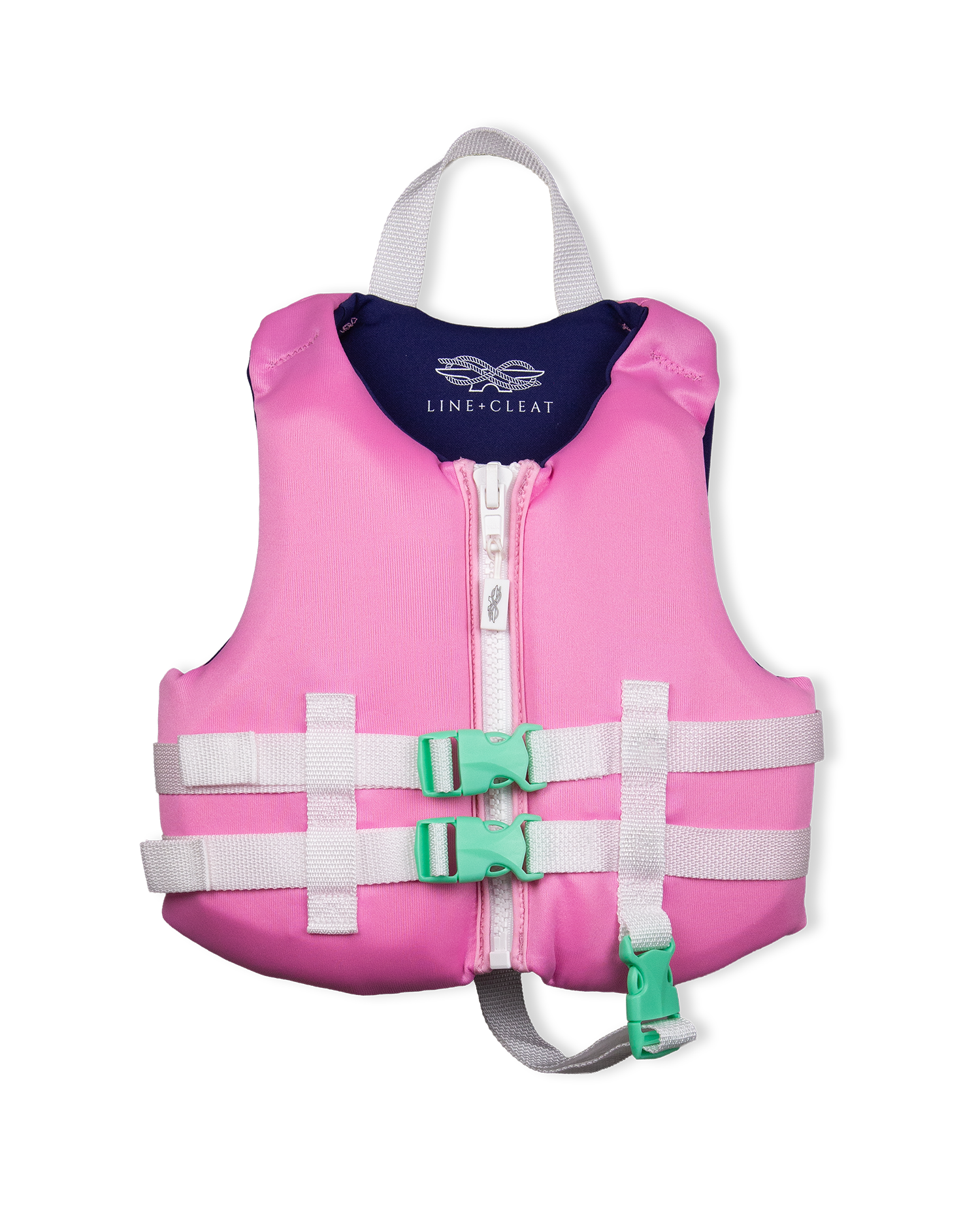
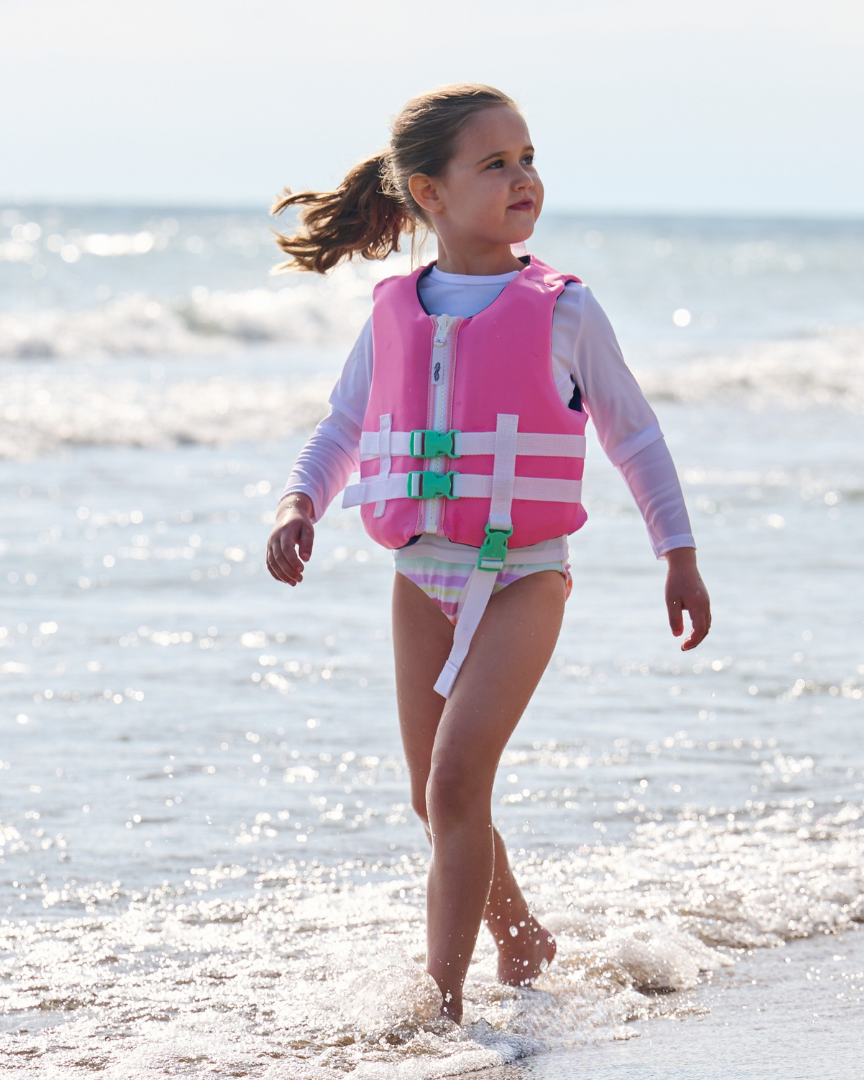
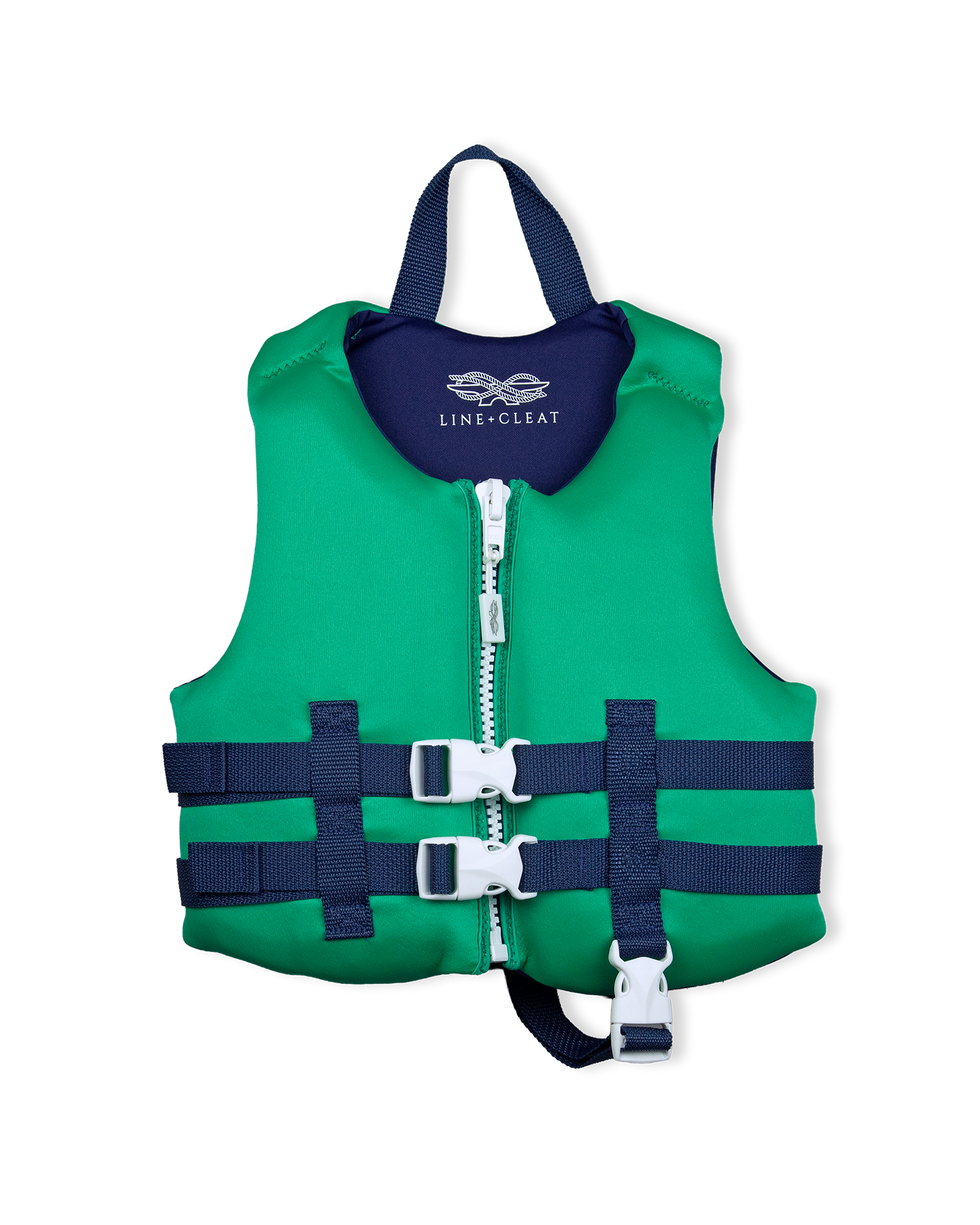
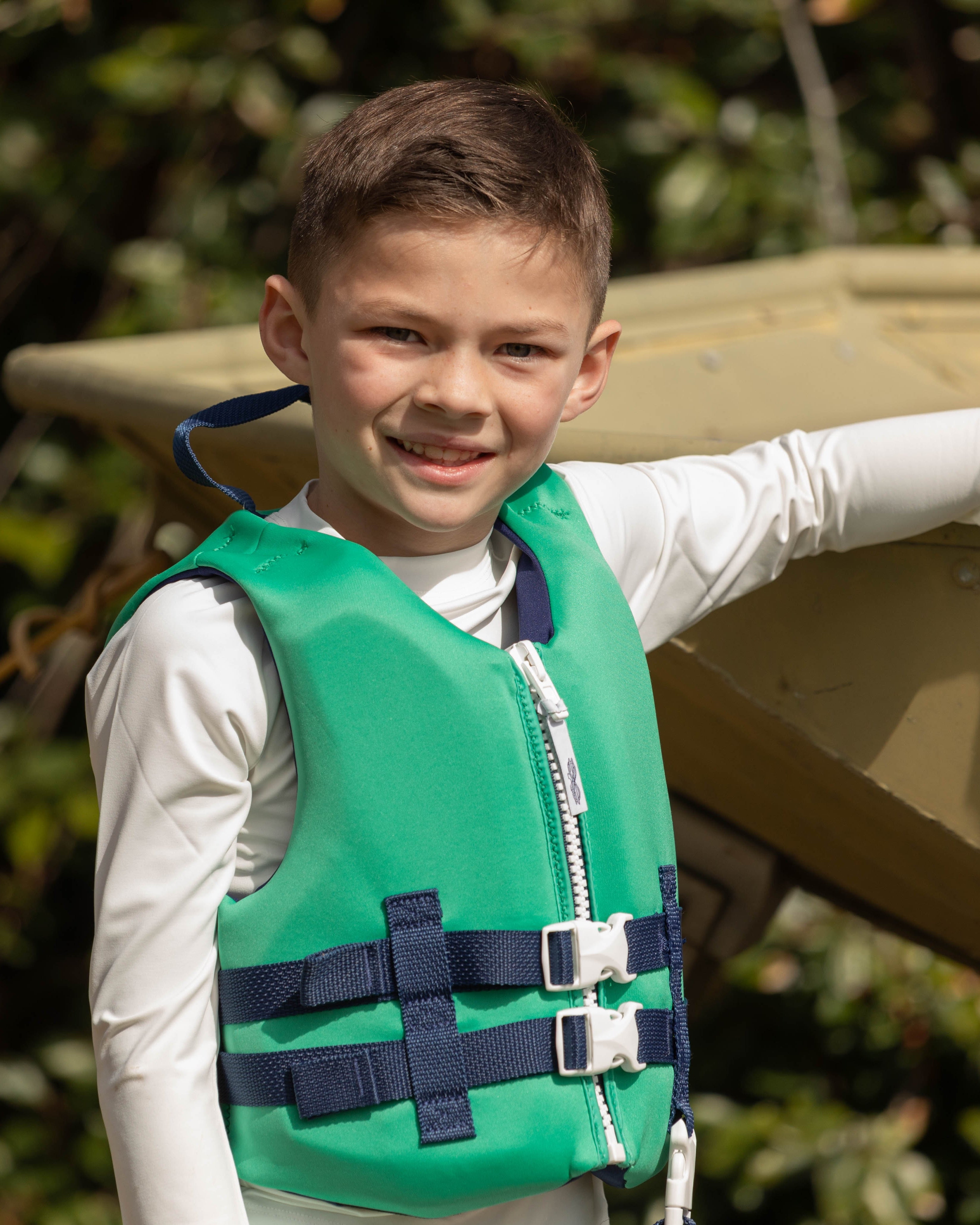
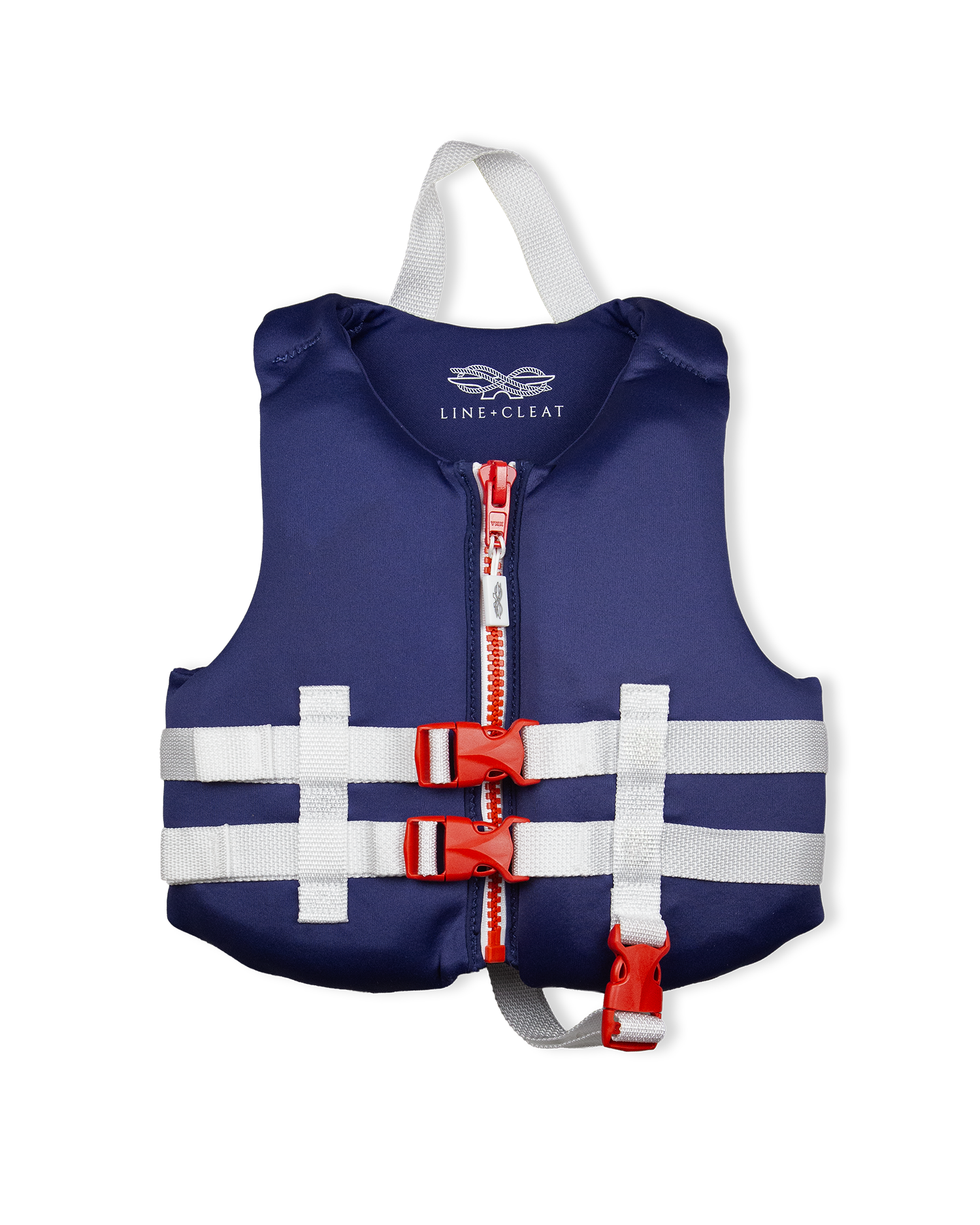
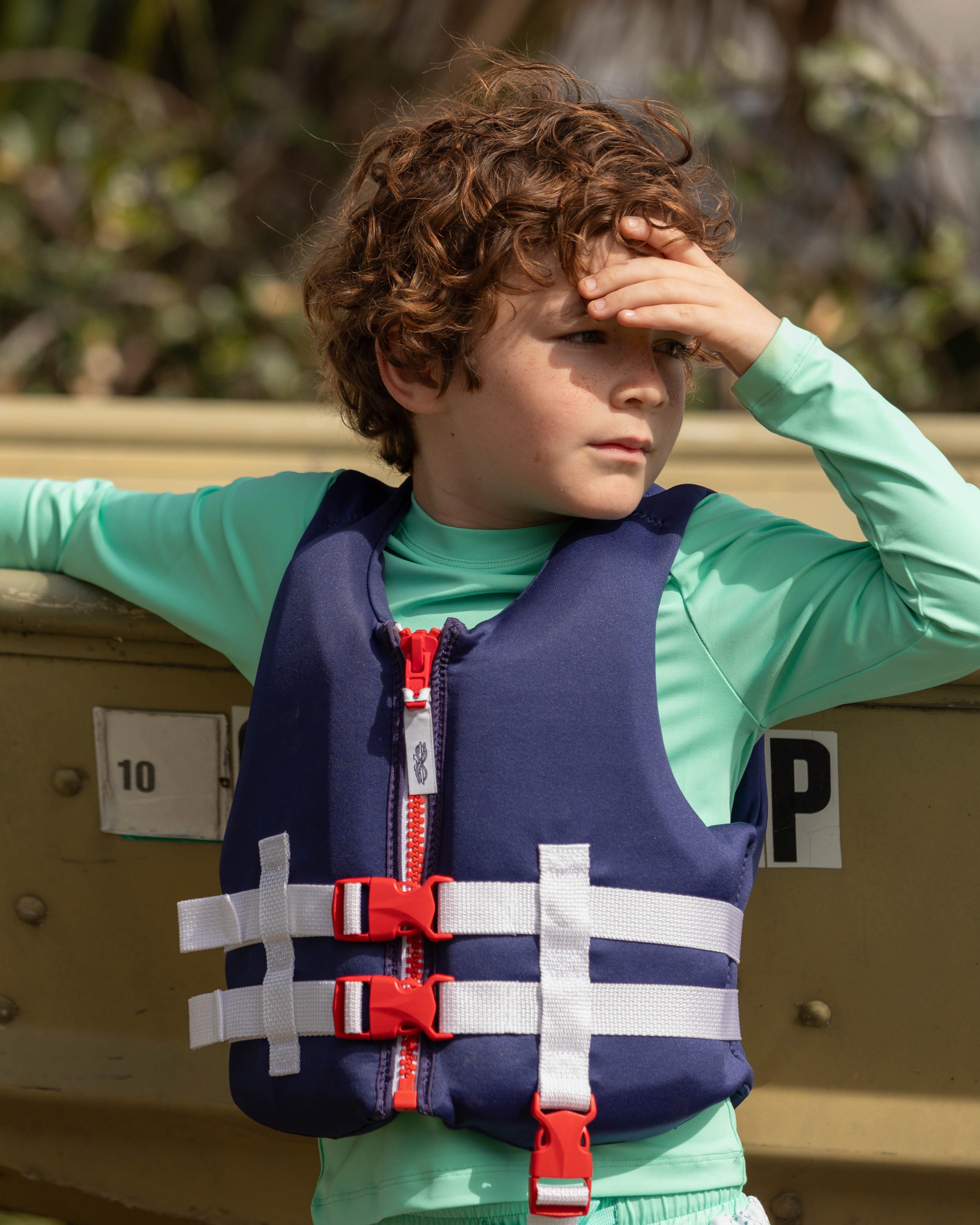


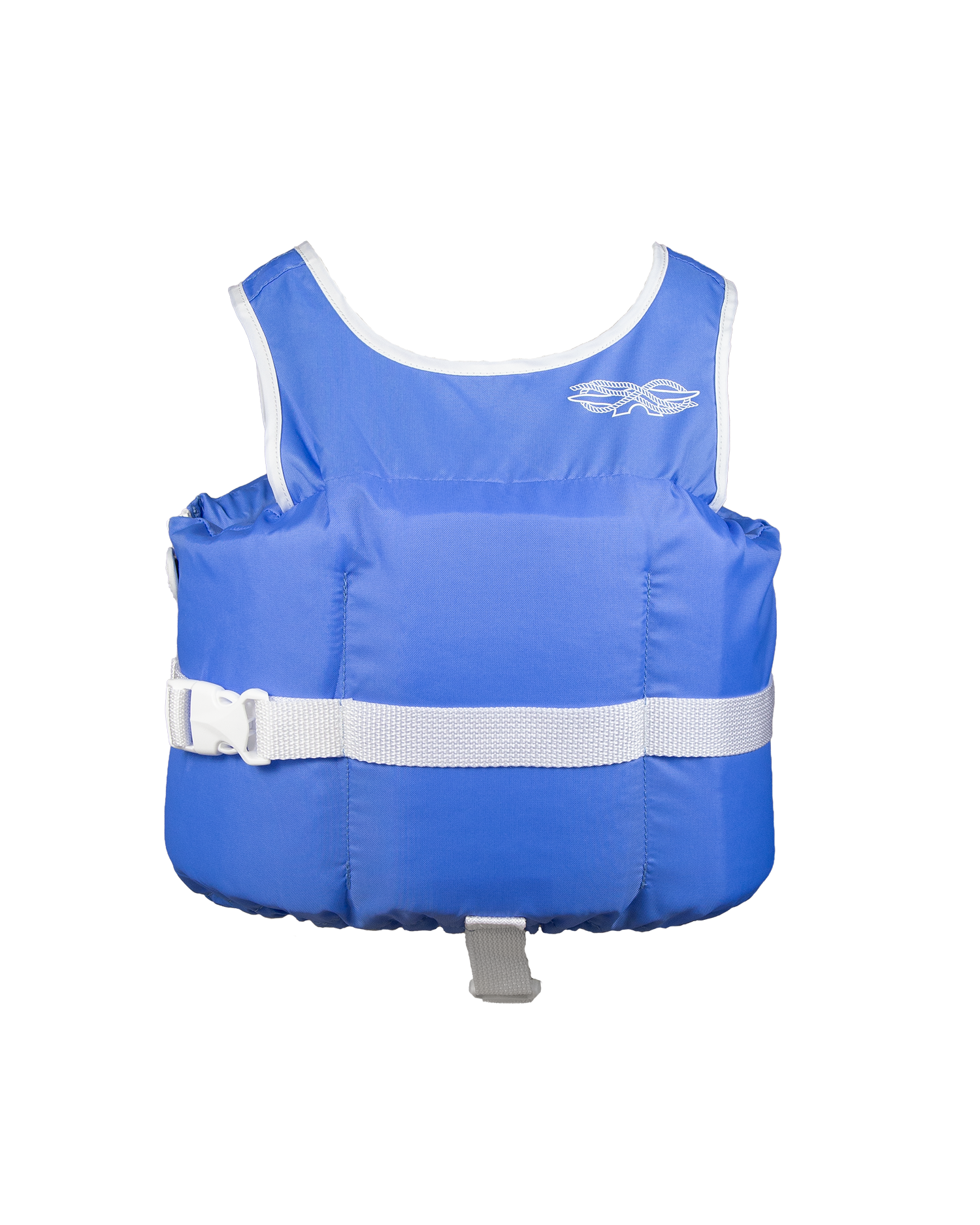
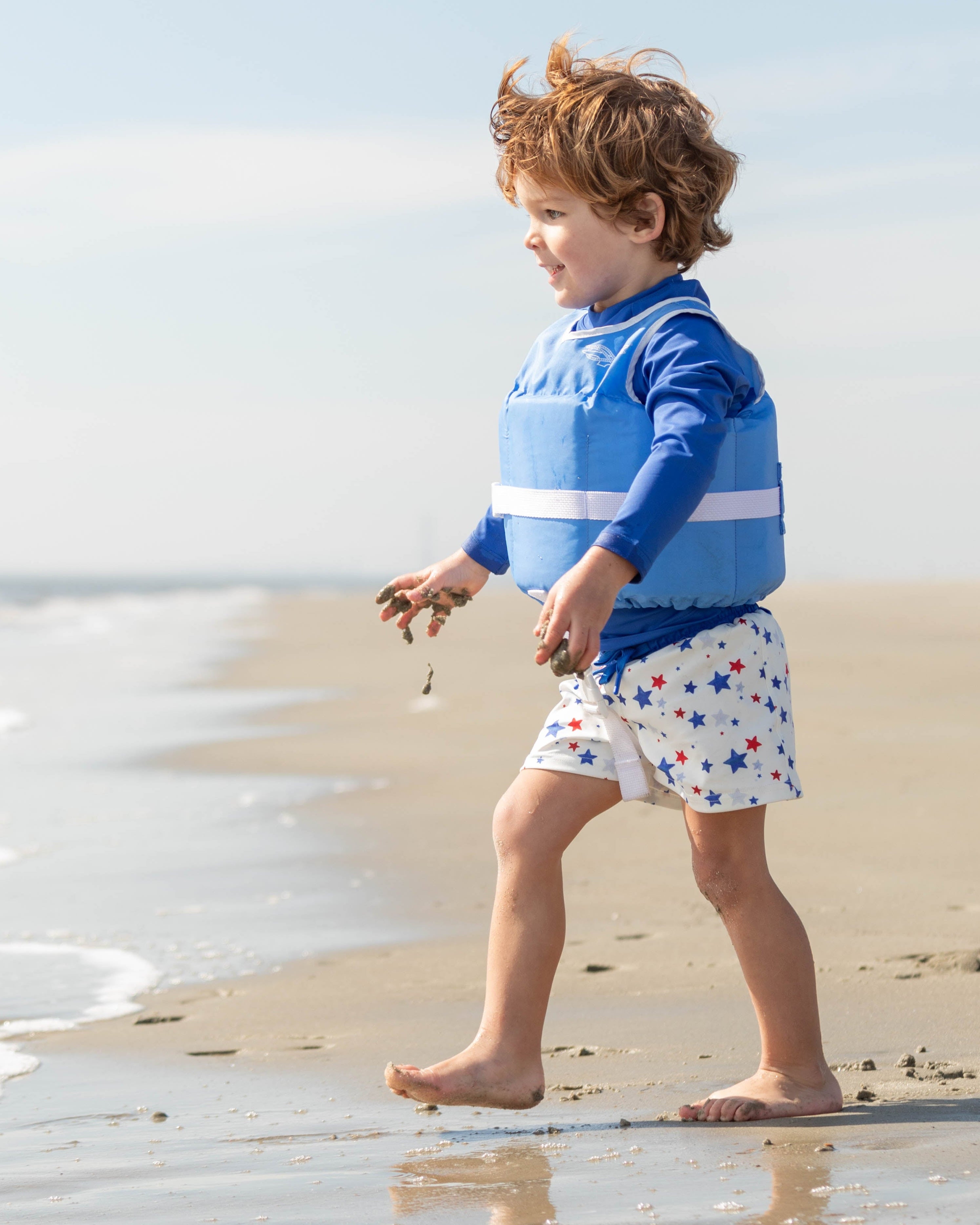
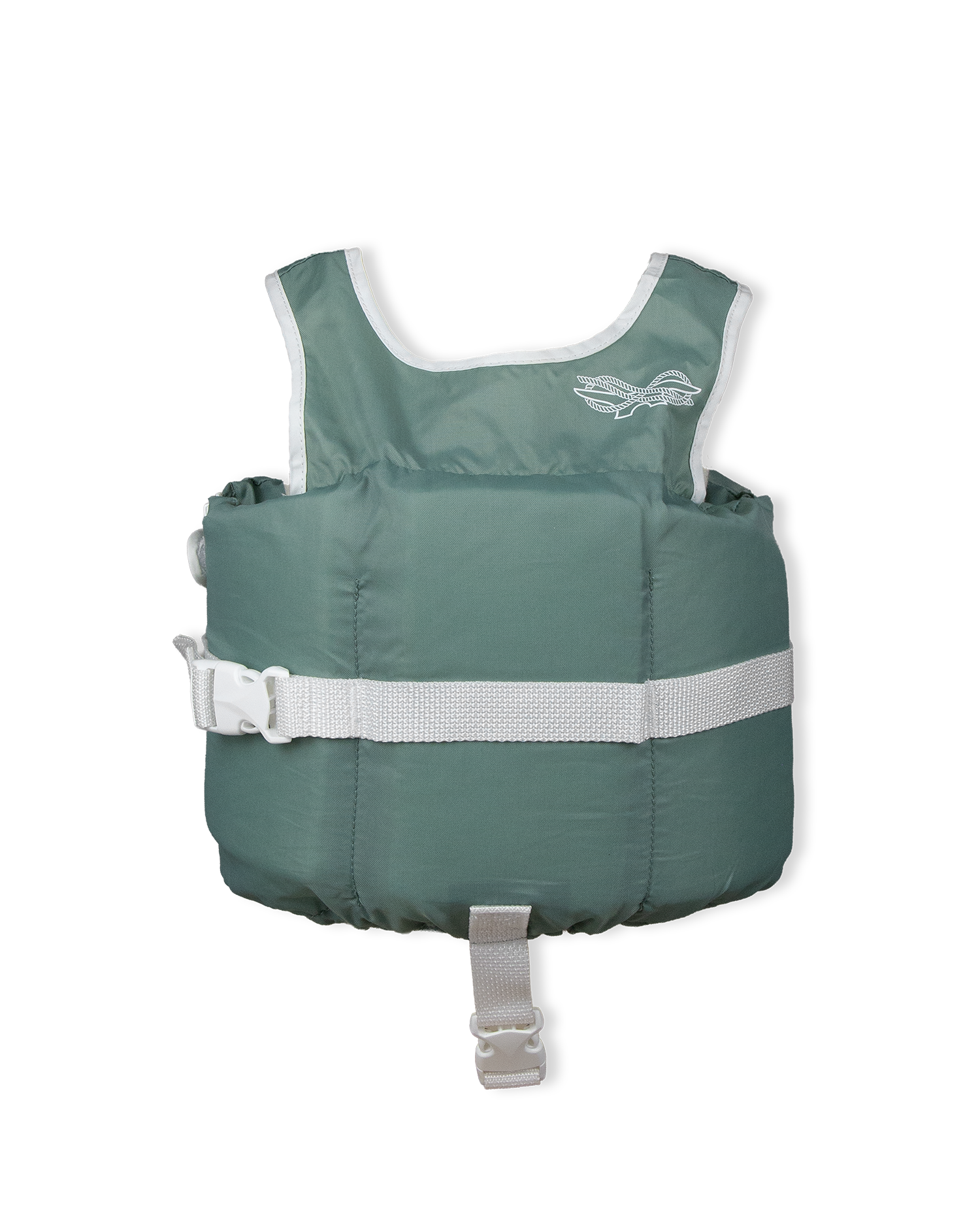
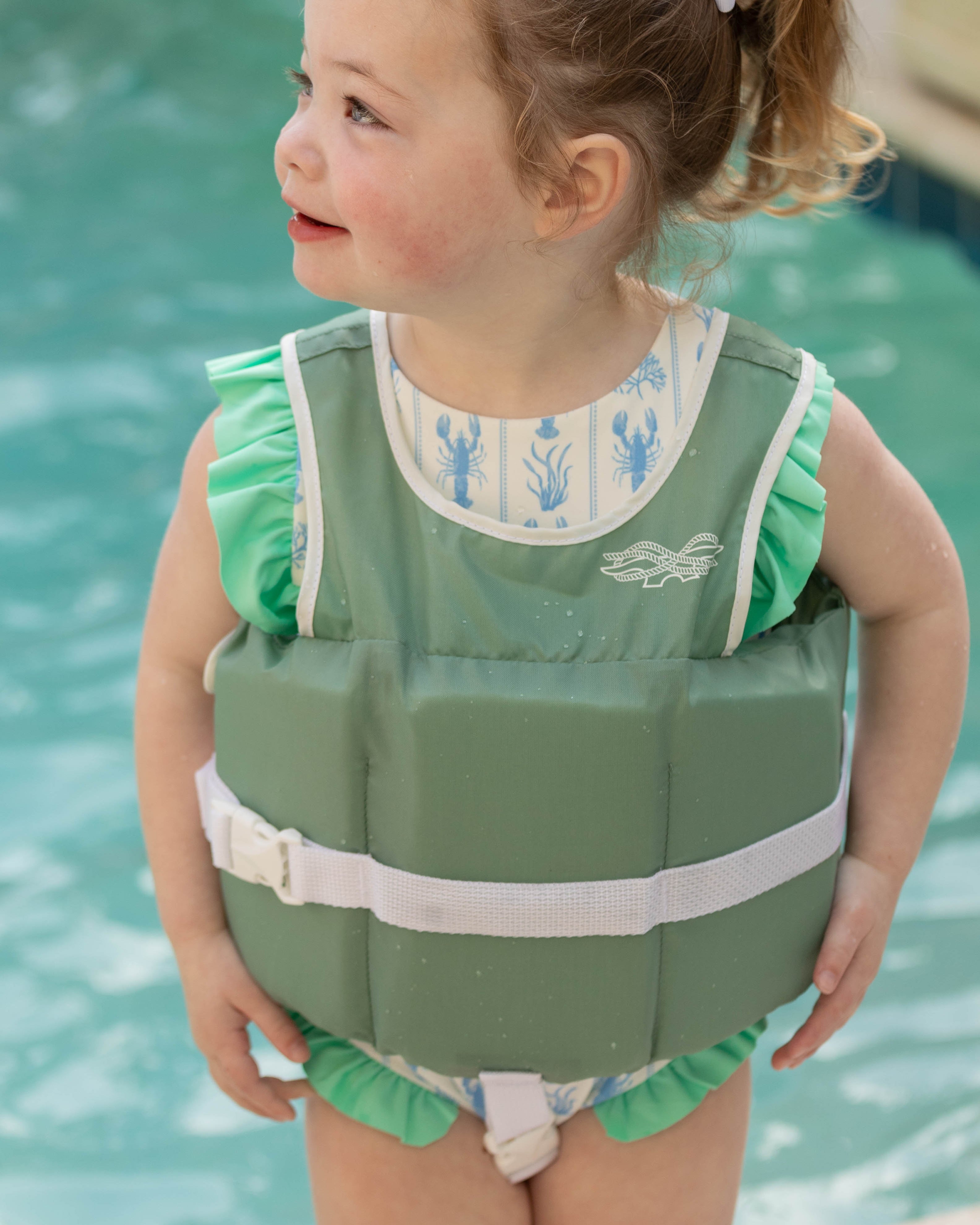


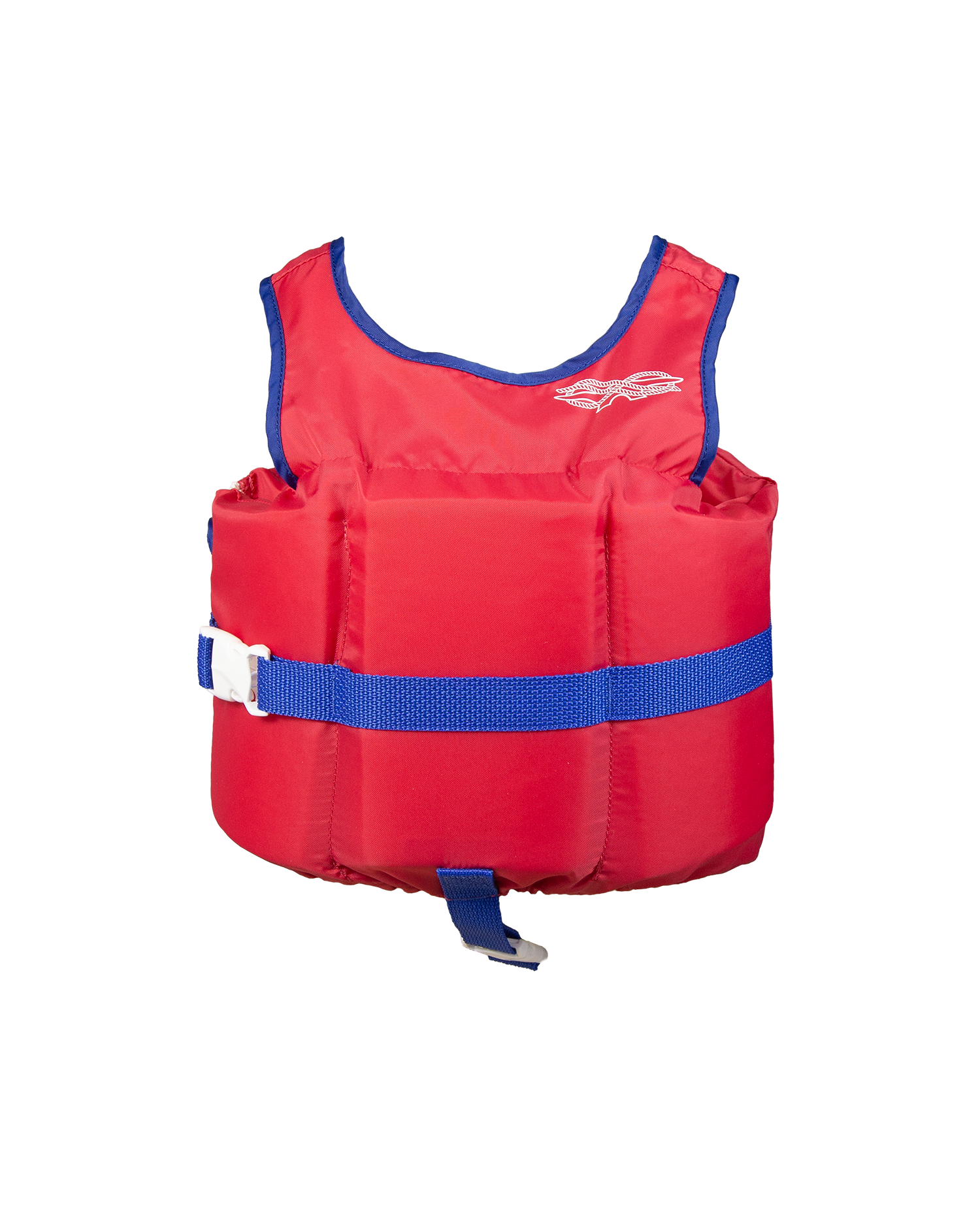
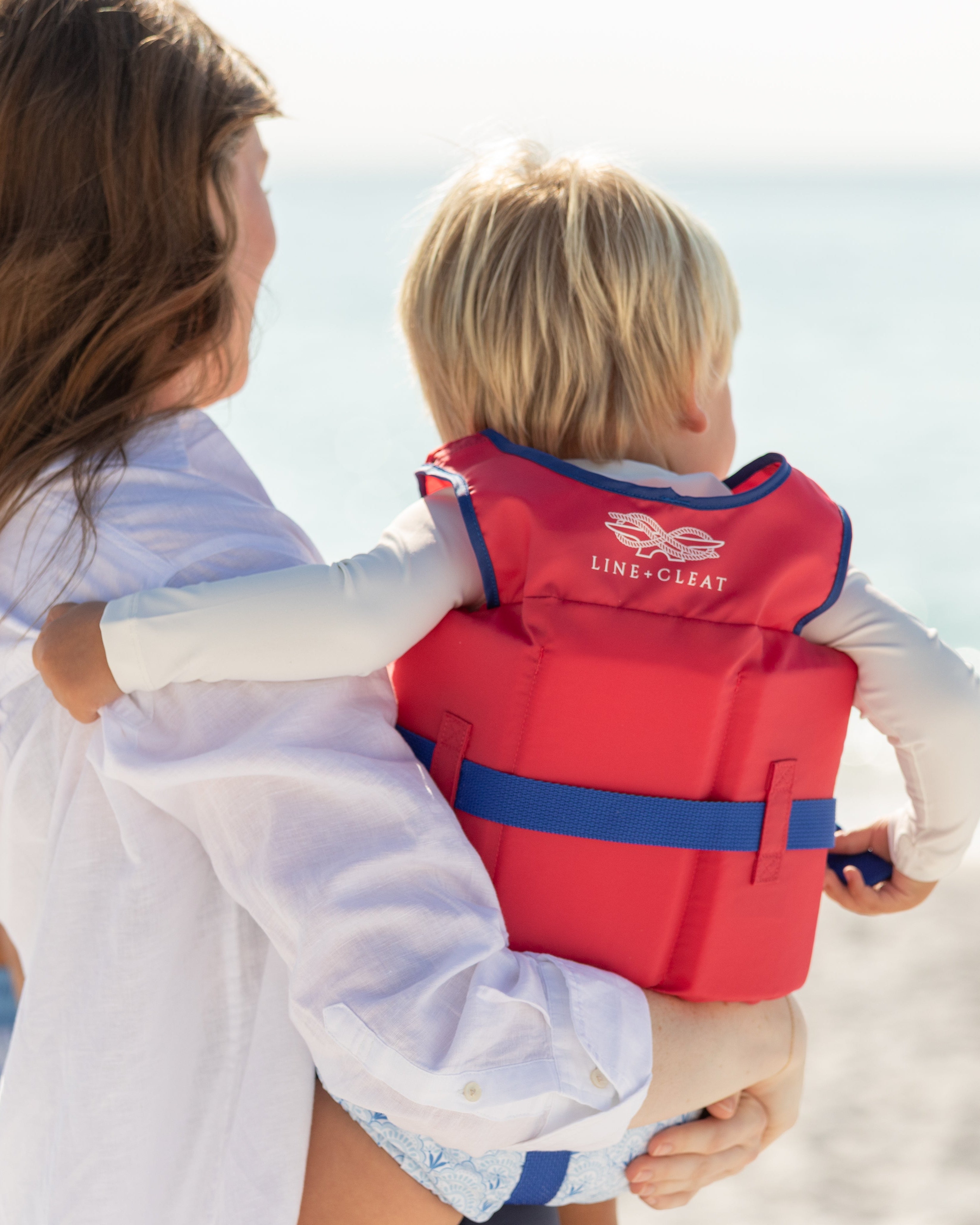
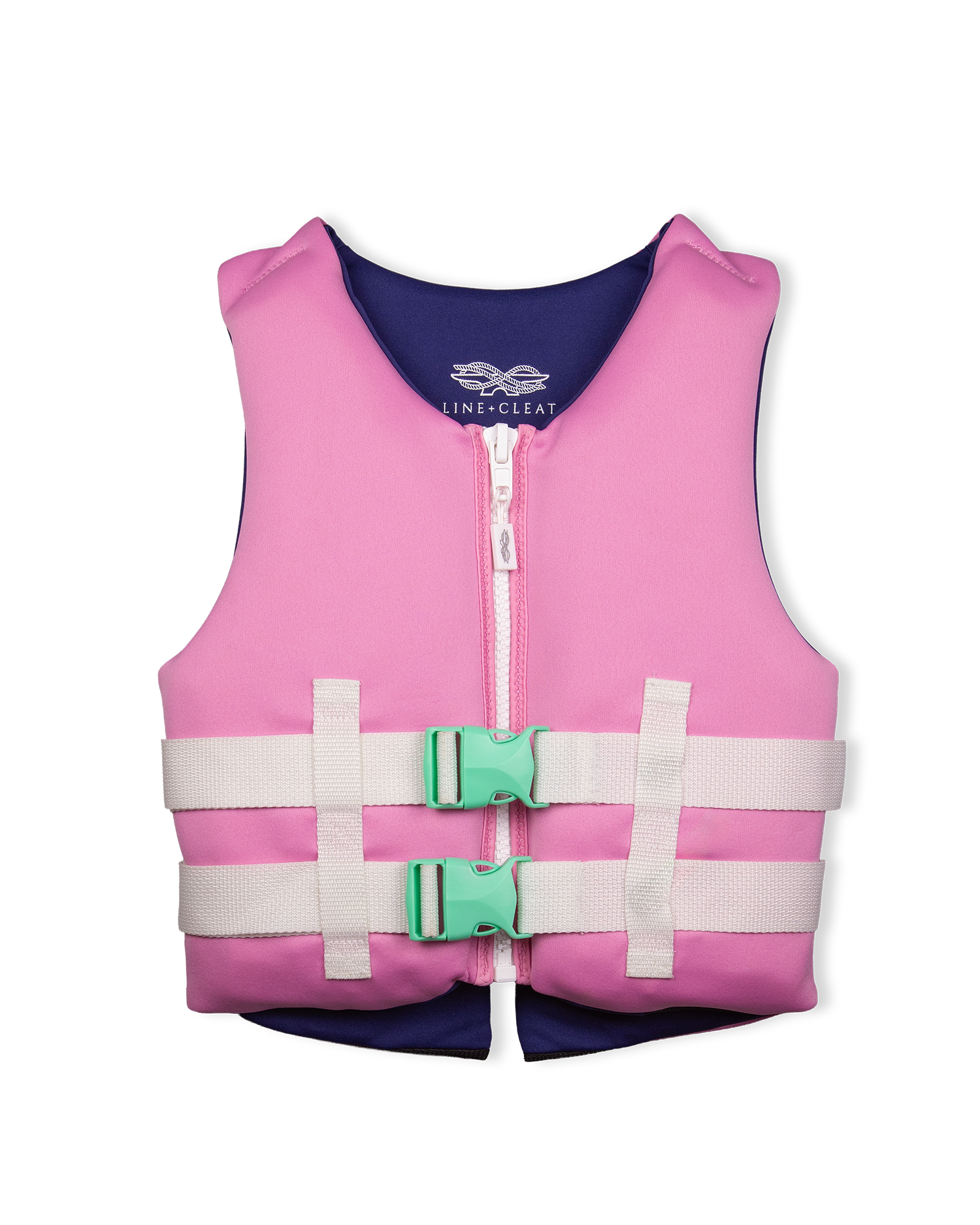
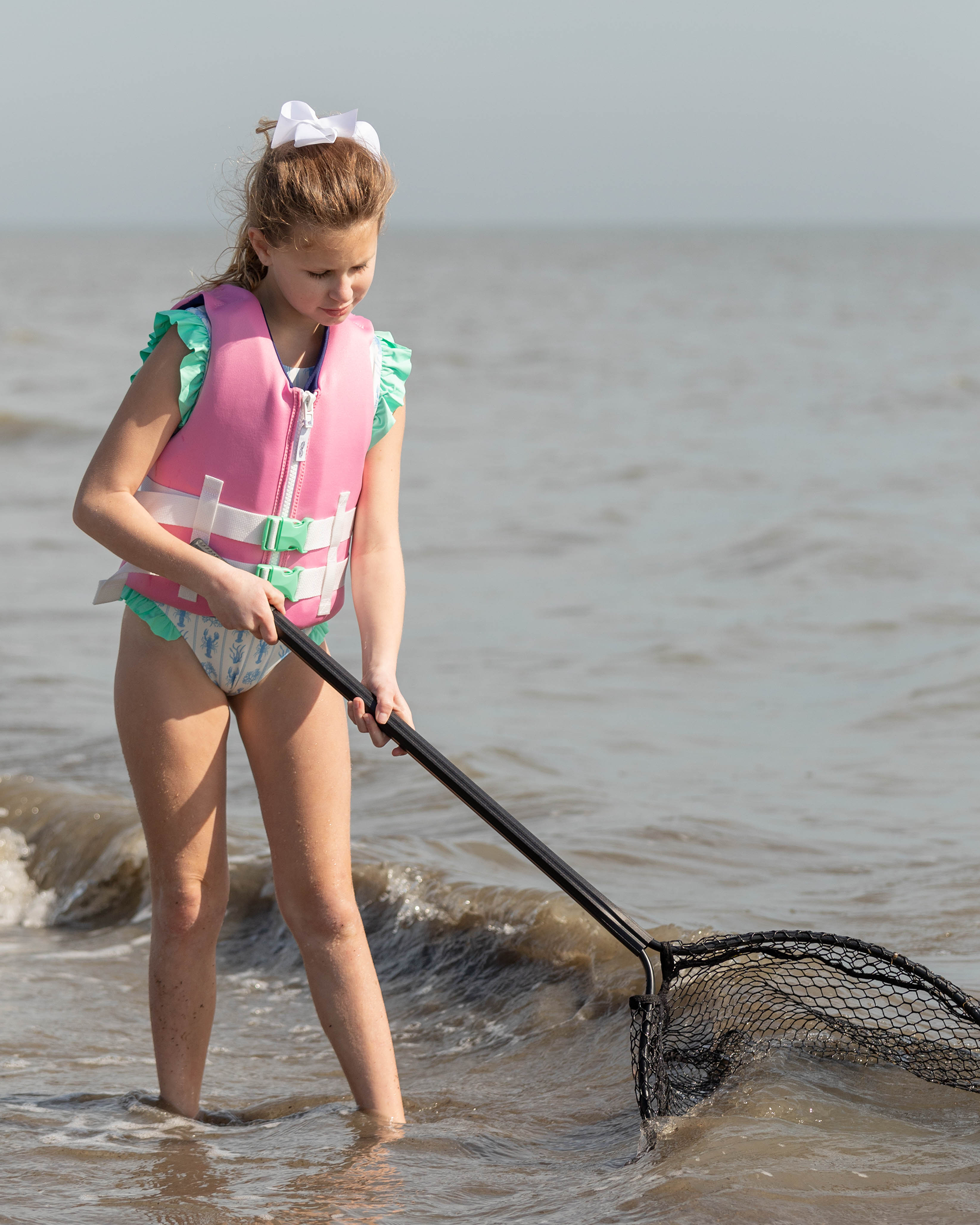
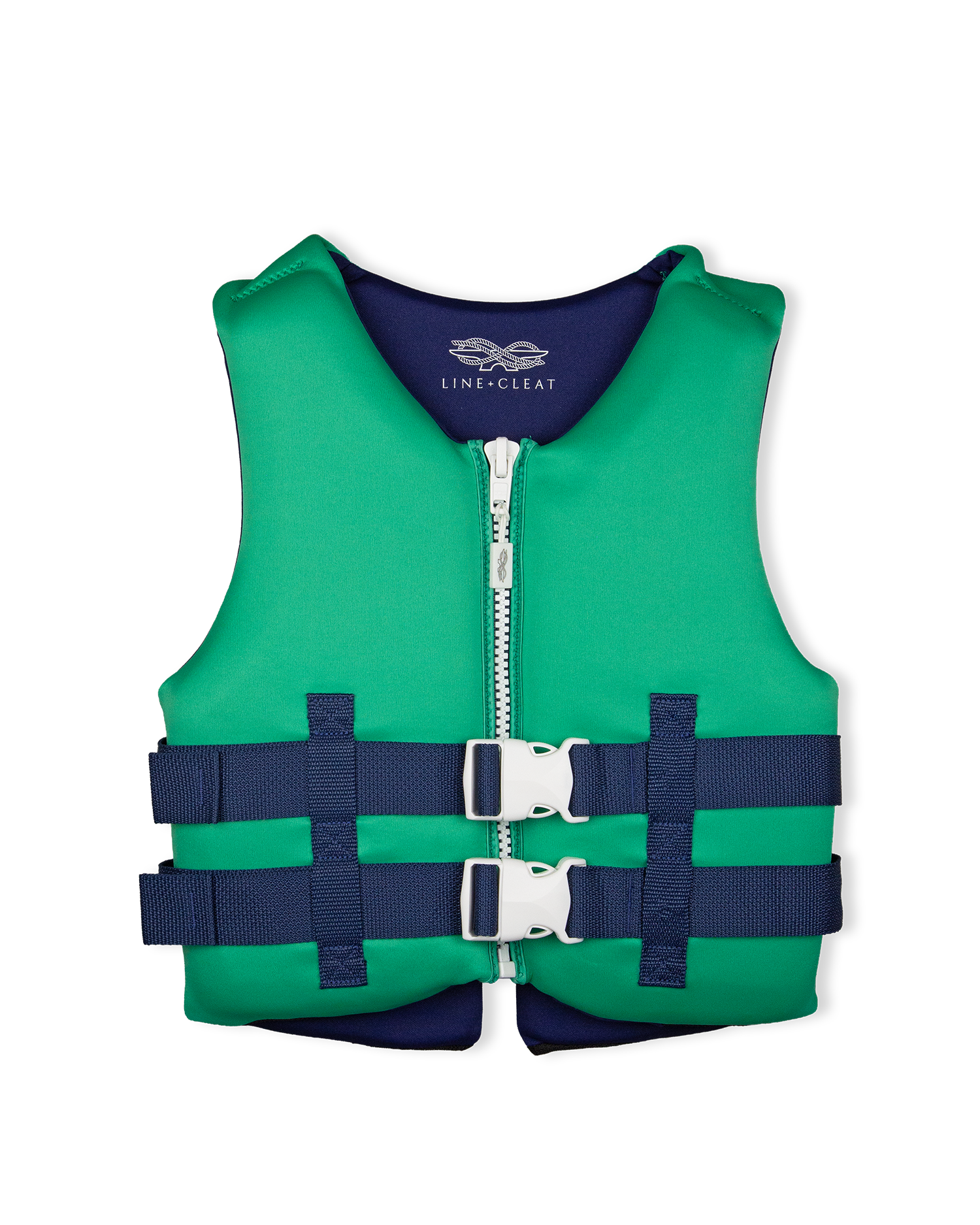
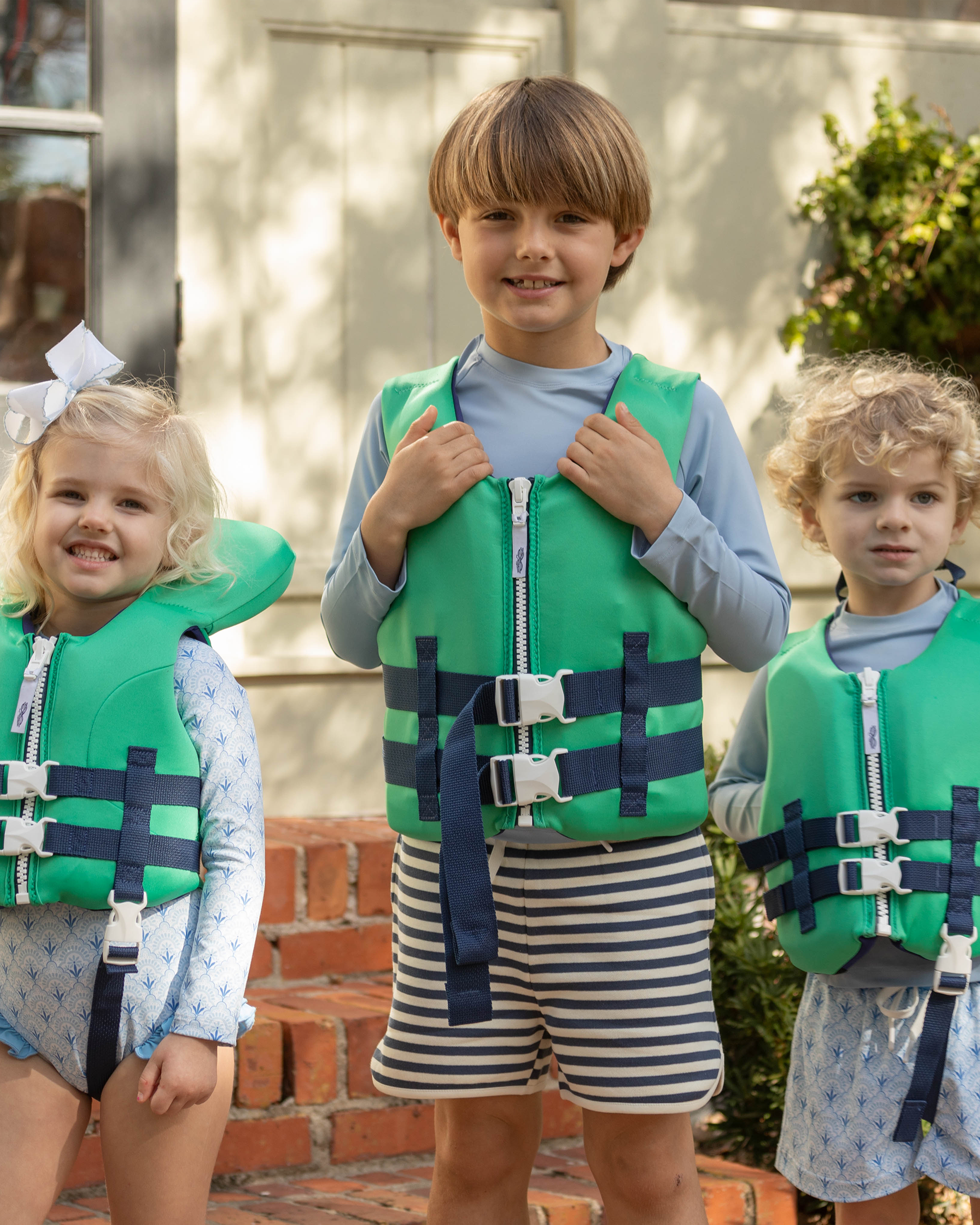
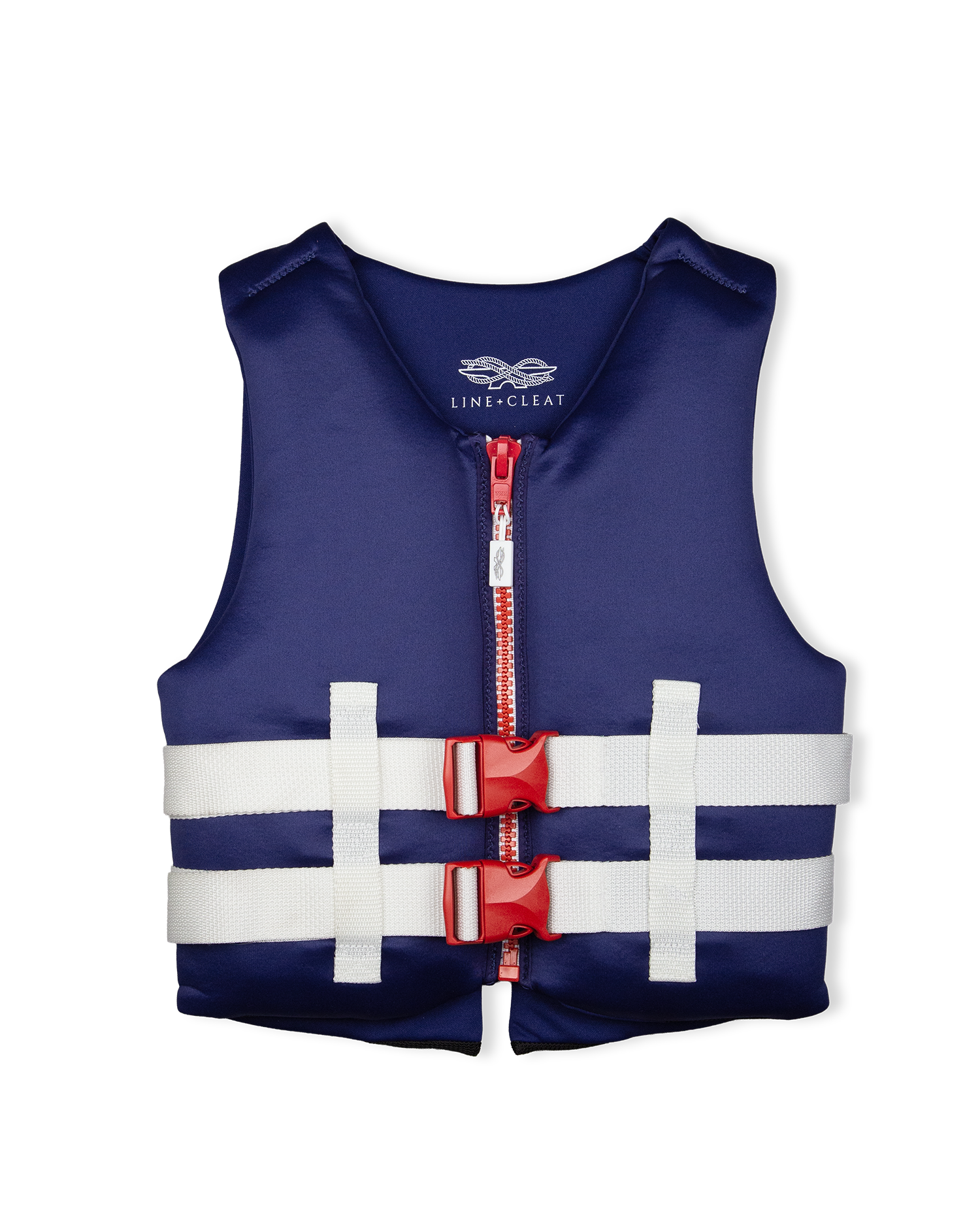
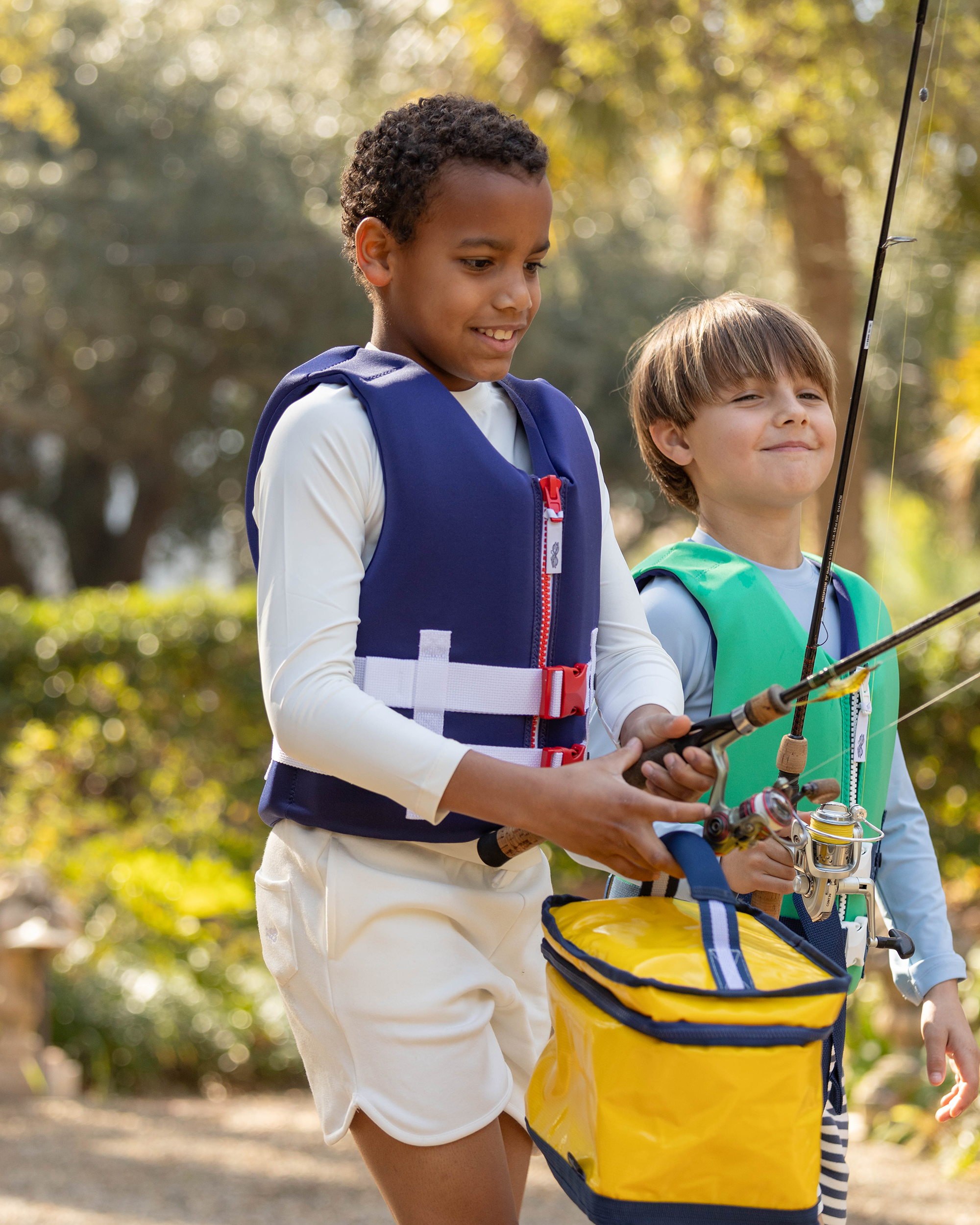


US Coast Guard Life Jackets for Kids
Finding the right life jacket for your child should feel clear from the start. Our U.S. Coast Guard-approved life jackets are organized by weight — 0–30 lbs, 30–50 lbs, and 50–90 lbs — so you can begin in the right range, then compare the details that matter most for your child’s fit and stage.
With classic USCG life jackets and Skiff styles available, this is designed to be a straightforward place to shop by size first, then narrow by support, closures, and overall feel.
Finding the Right Fit
Start with your child’s current weight, not room to grow. The right fit should work for your child at the time of use, with straps, buckles, and closures adjusted securely for the size and stage they are in today.
From there, look closely at the details on the style you are considering. Depending on the size and design, those details may include infant head support, chest and leg straps, between-leg straps, quick-release buckles, zipper closures, or a lighter design with fuller arm movement.
Need help?
Kids' USCG Life Jacket FAQs
It means the life jacket has been approved by the U.S. Coast Guard for the standard and use shown on its label. Along with approval, that label helps confirm the weight range, intended wearer, and other details that matter when you are choosing the right fit. Start with your child’s current weight, then compare the exact product details for the style you are considering.
It should fit snugly at the time of purchase. Choose the size that matches your child’s current weight, and make sure straps, buckles, and closures are secure and properly adjusted. For toddlers and smaller children, the between-leg strap should also be secured as part of a proper fit.
That depends on your child’s size and the style you choose. For smaller children, support details such as head support and secure leg straps can matter more. For older kids, it often makes more sense to compare closures, fit, and how easily the style allows movement. All children sizing is based on their current weight range at the time of use.
A Type II life vest is designed for near-shore boating and calmer waters where fast rescue is likely. It is made to provide more support in the water and is intended to turn some unconscious wearers into a position where breathing is not impeded.
A Type III life vest is a flotation aid designed for general boating or for the activity marked on the label. It is made to support a conscious wearer upright in the water, with comfort and mobility often playing a bigger role in the design. It is not required to turn an unconscious wearer face up.